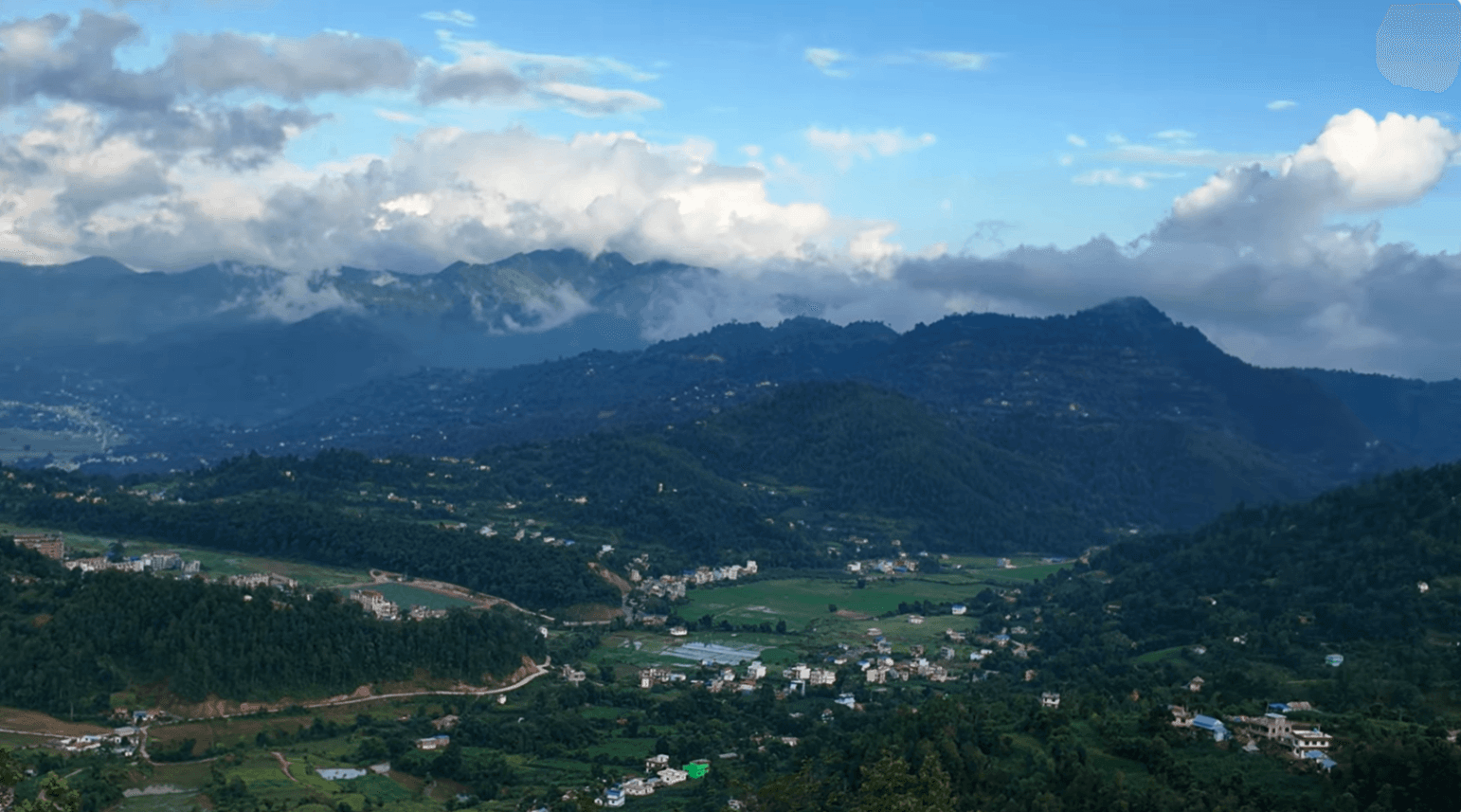
Kathmandu Valley is the cultural, historical, and political heart of Nepal. Located in central Nepal at an elevation of about 1,400 meters (4,600 feet) above sea level, it is surrounded by the hills of Shivapuri, Phulchowki, Nagarjun, and Chandragiri. The valley includes three historic cities:
Kathmandu – Nepal's capital and largest city
Lalitpur (Patan) – Famous for its fine arts, metalwork, and temples
Bhaktapur – Renowned for its medieval architecture, pottery, and traditional Newar culture
The valley has been an important center of trade, religion, and culture for over 2,000 years.
History
According to legend, Kathmandu Valley was once a large lake. The Buddhist saint Manjushree is believed to have cut a gorge at Chobar, allowing the water to drain and making the valley habitable. Historically, the valley was ruled by the Kirat, Licchavi, and Malla dynasties before becoming the capital region of modern Nepal.
UNESCO World Heritage Sites
Kathmandu Valley contains seven UNESCO World Heritage monument zones, including:
Kathmandu Durbar Square
Patan Durbar Square
Bhaktapur Durbar Square
Swayambhunath
Boudhanath
Pashupatinath Temple
Changu Narayan Temple
These sites are celebrated for their temples, stupas, palaces, and centuries-old craftsmanship.
Culture
Kathmandu Valley is the homeland of the Newar community, whose traditions have shaped the valley's architecture, cuisine, festivals, music, and arts.
Major festivals celebrated include:
Indra Jatra
Bisket Jatra
Dashain
Tihar
Gai Jatra
Climate
Spring (March–May): Pleasant and colorful with blooming flowers.
Monsoon (June–September): Warm with frequent rainfall.
Autumn (October–November): Clear skies and ideal for sightseeing.
Winter (December–February): Cool mornings and evenings.
Economy
Kathmandu Valley is Nepal's leading center for:
Government administration
Tourism
Education
Business and finance
Information technology
Handicrafts
Challenges
As the valley has grown rapidly, it faces challenges including:
Traffic congestion
Air pollution
Urban expansion
Waste management
Pressure on historic heritage sites
Efforts are ongoing to improve infrastructure while preserving its unique cultural heritage.
Interesting Facts
Kathmandu Valley covers about 722 km².
It is home to millions of residents across Kathmandu, Lalitpur, and Bhaktapur districts.
It contains one of the world's highest concentrations of historic temples and monuments.
It serves as the main gateway for visitors traveling to the Himalayas.
Kathmandu Valley is often described as a living museum, where ancient temples, vibrant festivals, and traditional neighborhoods exist alongside modern urban life. Its blend of history, spirituality, and culture makes it one of South Asia's most distinctive destinations.